
Audio First: Why Sound Design Is Just as Important as the Visuals
In film and commercial production, the spotlight often falls on visuals — stunning cinematography, dynamic compositions, and polished editing. Yet, sound design is just as critical, if not more so, in shaping audience perception and engagement. A beautifully shot video with poor audio feels unfinished or unprofessional, while even modest visuals paired with excellent sound can captivate viewers and leave a lasting impression.
Sound isn’t merely a technical necessity; it’s a creative tool that drives emotion, immerses audiences, and reinforces brand identity. In the age of high-definition visuals and short-form content, neglecting audio can undermine an otherwise strong production.
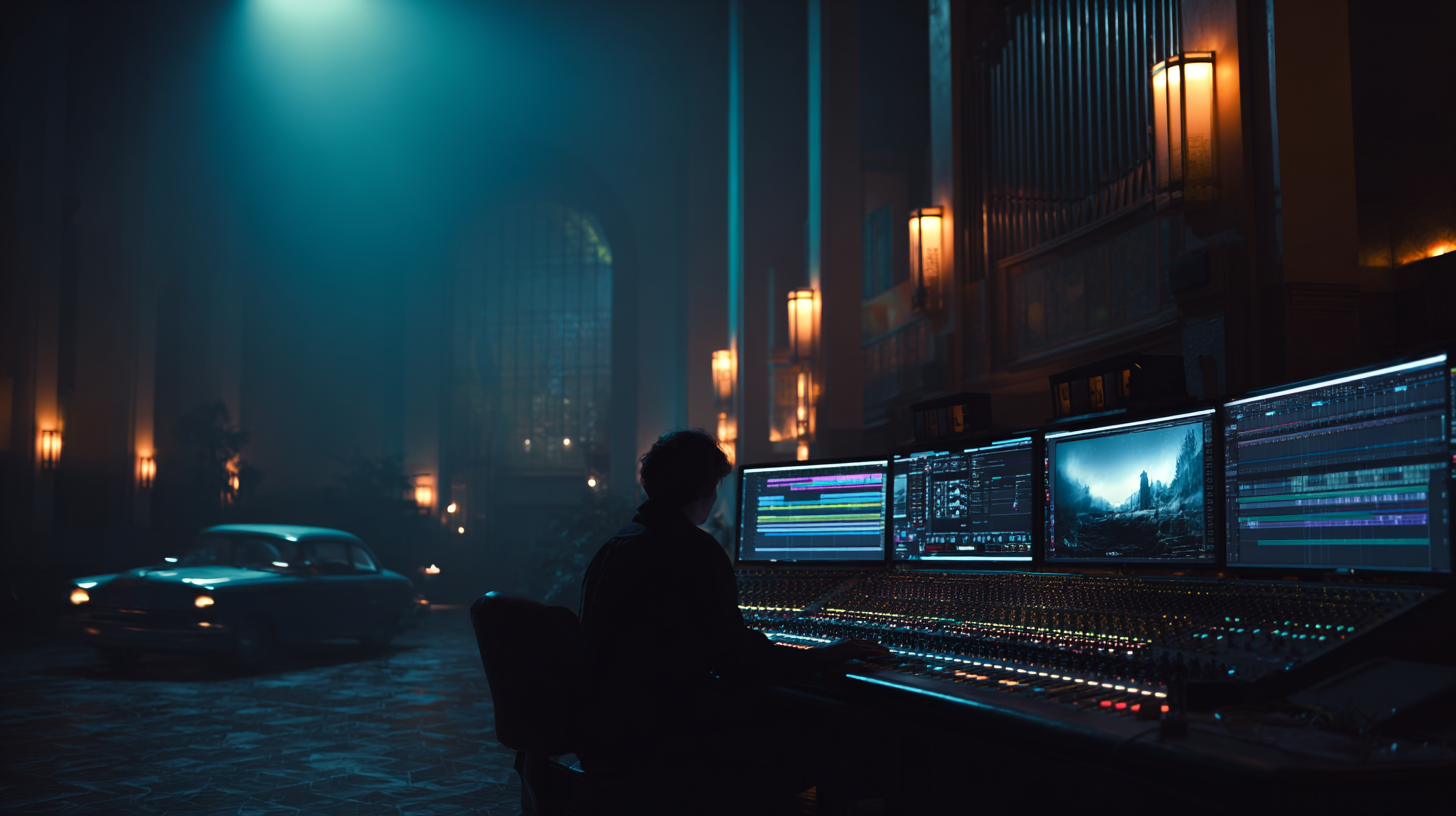
What Sound Design Encompasses
Sound design is multifaceted, touching every aspect of a production:
Dialogue clarity: Ensuring that spoken words are crisp, intelligible, and emotionally resonant.
Ambient noise: Using environmental sounds to create context, realism, and depth.
Music selection: Setting tone, rhythm, and mood, while reinforcing the brand’s personality.
Sound effects: Enhancing visual action, adding impact, and creating satisfying sensory cues.
Voiceovers and narration: Guiding viewers through the story, delivering key messages, and reinforcing emotional beats.
Together, these elements create an immersive audio landscape that elevates the overall production. In commercials, this can mean the difference between a forgettable spot and one that sticks in the audience’s mind for months — think iconic jingles, signature sound effects, or powerful voiceovers.
Why Audio Matters in Commercial Production
In the context of advertising, sound is a strategic tool that drives engagement and reinforces brand identity:
Memorability: A catchy jingle or distinctive sound cue can become synonymous with a brand.
Emotional connection: Music and audio effects guide feelings, making audiences more receptive to the message.
Professionalism: Crisp audio signals high production value, instilling confidence in viewers.
Accessibility: Clear dialogue and balanced audio ensure the message reaches a broad audience, including those using mobile devices in noisy environments.
Neglecting sound can sabotage a campaign, regardless of how visually striking the footage is. In contrast, thoughtful audio design can transform a simple production into an immersive, memorable experience.
The Las Vegas Advantage in Audio Innovation
Las Vegas is a city built on spectacle and sensory engagement, making it an ideal hub for innovative sound design:
Immersive venues: Spaces like the Sphere set new expectations for layered, 360-degree audio experiences, influencing how audiences perceive sound in all media.
High-energy environments: From casinos to live shows, Las Vegas audiences are accustomed to dynamic, impactful soundscapes. Commercials must meet these expectations to resonate.
Local talent: Audio engineers, composers, and sound designers in Las Vegas are increasingly skilled at blending cinematic quality with immersive storytelling, elevating both commercials and film projects.
Vibrant media ecosystem: With a thriving entertainment industry, Las Vegas provides opportunities to experiment with new audio techniques, including surround sound, spatial audio, and hybrid scoring approaches.
These factors make sound design a critical consideration for brands and production companies looking to capture attention in a city where audio experiences are central to the culture.
Best Practices for Prioritizing Audio
To create compelling productions, audio must be integrated from the start of the creative process:
Plan ahead: Incorporate sound design in pre-production, not just post-production.
Hire skilled professionals: Experienced audio engineers can elevate quality, even in smaller productions.
Balance music and effects: Ensure that music supports, rather than overwhelms, dialogue and storytelling.
Test in real-world environments: Consider how audio will sound on phones, laptops, or in noisy settings.
Iterate creatively: Experiment with soundscapes, voiceovers, and ambient effects to enhance immersion.
Treating audio as a central element rather than an afterthought ensures every production sounds as good as it looks.
Final Thoughts
In the visual-heavy world of film and commercial production, sound often plays a quiet but powerful role. It guides emotion, builds immersion, reinforces branding, and makes content memorable and professional.
For Las Vegas productions, sound design is more important than ever. Audiences accustomed to immersive experiences, from the Strip to iconic live shows, expect crisp, layered, and engaging audio in every piece of media they consume.
Investing in high-quality sound isn’t optional — it’s essential. A great video may catch the eye, but excellent audio captures the mind and heart, creating a lasting impact that resonates long after the screen goes dark.
For brands and filmmakers alike, prioritizing sound design ensures that every production communicates effectively, entertains audiences, and delivers an unforgettable cinematic experience.
