

Lighting for Commercial Production: Quality, Direction, Contrast and Color
A practical reference to light quality, direction, contrast and color, with an original commercial example and guidance for preparation, testing and review.
Adobe and NVIDIA Target Faster Media Search in Frame.io
Adobe and NVIDIA’s expanded partnership targets faster media processing and discovery. The creative value depends on what happens after a search result appears.

How to Write a Commercial Production Brief
Turn a marketing goal into a usable commercial production brief, with clear deliverables, constraints, approvals and an original fictional example.

The Stages of Commercial Production: From Brief to Delivery
Follow a commercial from the first brief through preparation, filming, editorial, finishing and delivery, with the decisions and approvals that connect each stage.

5 Product Commercial Shots, Ranked by What They Add to the Edit
Five product-commercial shot functions ranked by the understanding and editing options they contribute, from a readable demonstration to a purposeful transition.

What Does a Commercial Producer Do? Responsibilities from Brief to Delivery
What a commercial producer owns, how agency and production roles connect, and which decisions keep a campaign moving from brief to delivery.

Negative Fill Lighting: Why Subtraction Gives Commercials Shape
Negative fill gives commercial cinematographers control over reflected light, shaping faces, products and the visual character of a campaign.

Commercial Production Roles: Who Does What?
A practical map of the people behind a commercial—from producers and directors to camera, craft and post—with clear responsibilities and handoffs.

Las Vegas Trade Shows and Video Production
Las Vegas didn’t earn the title “trade show capital of the world” by accident—it’s a city purpose-built for spectacle, scale, and business at the highest level. From global tech launches to niche industry expos, there’s no place quite like Las Vegas when it comes to bringing entire industries under one roof.

The Importance of Budgeting for a Film Set: Turning Vision into Reality
Every successful film or commercial begins with a vision. The director imagines the perfect scene, the cinematographer visualizes the lighting, and the production designer plans the set. But no matter how compelling the concept, a project cannot come to life without one crucial foundation: a well-structured budget.

Why Hybrid Releases Are Changing the Film Industry
The way audiences consume films has changed dramatically in the past decade, and nowhere is this shift more apparent than in the rise of hybrid releases. Once reserved for experimental distribution strategies, hybrid releases—where a film debuts simultaneously in theaters and on streaming platforms—are now a mainstream approach.

What’s Current in the Film Industry: Trends, Technology, and Opportunities in 2026
The film industry is constantly evolving. From Hollywood blockbusters to independent productions, the ways stories are created, financed, and consumed are changing at an unprecedented pace. For filmmakers, brands, and production professionals, staying informed about current trends is essential to remain competitive and creative in 2026.

Why People in the Film Industry Are Leaving California
For decades, California—especially Los Angeles—has been the beating heart of the film and entertainment industry. It’s where iconic studios were born, where Hollywood culture thrives, and where countless careers have taken shape. But in recent years, a noticeable shift has been happening: more and more film professionals, production companies, and creative talent are leaving California for other states.

Pre-Production Is the Most Important Stage of Any Film or Commercial Set
Every project starts with an idea, but not every idea becomes a cohesive production.
Pre-production ensures that:
The concept is clearly defined
The script reflects the goals of the brand or story
The director’s vision aligns with the client’s expectations
Every department understands the desired tone, style, and pacing
This clarity prevents miscommunication and keeps everyone — from cinematographers to wardrobe — moving in the same direction.

Why Teamwork Matters on Set
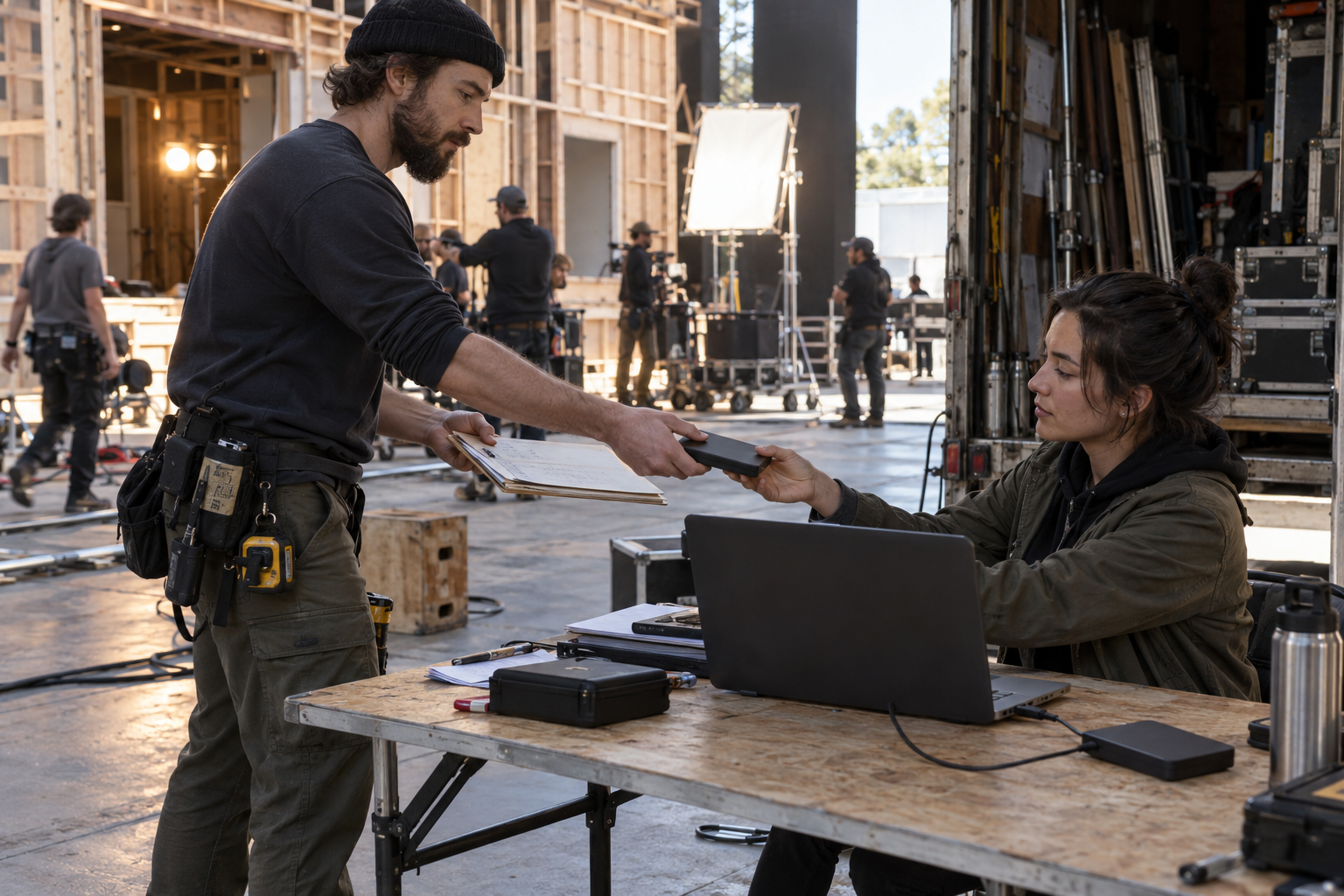
When the team works as a unified group, challenges become opportunities rather than setbacks. Instead of placing blame, crew members collaborate to find solutions — adjusting lighting, rearranging the schedule, improvising props, or altering shot compositions.

Production Etiquette: Why Respect Is the Foundation of Every Successful Set
In any film or commercial production, cameras, lights, and gear often take center stage — but behind every smooth shoot is something far more important: respect. A set thrives when everyone, from the director to the production assistant, feels valued, heard, and supported. Production etiquette isn’t just about politeness; it’s about creating a professional environment where creativity can flourish and the final product can shine.

Why Keeping Verticals in Mind Matters When Shooting a Commercial
In today’s media landscape, the way we view content has fundamentally changed. While television and traditional widescreen formats once dominated commercial production, the rise of mobile-first platforms has transformed how ads must be shot, edited, and delivered. Vertical video — once dismissed as a passing trend — is now one of the most important considerations in commercial production.
Whether ads appear on TikTok, Instagram Reels, YouTube Shorts, Snapchat, or mobile display placements, vertical formats are now central to brand communication. Keeping verticals in mind from the very beginning of production isn’t just a technical choice — it’s a strategic one that directly impacts engagement, brand recall, and ROI.

Location vs. Studio: Choosing the Right Environment for a Shoot
Every commercial begins with a critical question: should we shoot on location or in a studio? This decision influences every aspect of production, from visuals and sound to budget and logistics. Both options have distinct advantages and limitations, and understanding them helps brands and production teams make strategic choices that enhance storytelling.

Commercial Budgets Explained: Where Does the Money Go?
For many brands, the cost of producing a commercial can seem mysterious. How can a 30-second spot run into the tens of thousands—or even hundreds of thousands—of dollars? The answer lies in the complex ecosystem of commercial production, where multiple phases, specialized talent, and resources all contribute to the final product.

Audio First: Why Sound Design Is Just as Important as the Visuals
In film and commercial production, the spotlight often falls on visuals — stunning cinematography, dynamic compositions, and polished editing. Yet, sound design is just as critical, if not more so, in shaping audience perception and engagement. A beautifully shot video with poor audio feels unfinished or unprofessional, while even modest visuals paired with excellent sound can captivate viewers and leave a lasting impression.