The Stages of Commercial Production: From Brief to Delivery
A commercial moves through creative development, pre-production, production, post-production and delivery. Each stage leaves the next team something concrete: an agreed idea, a workable shoot plan, recorded material, an approved edit and a set of finished assets. The names are useful. Understanding those handoffs is what makes the process easier to follow.
For a brand or agency, the shoot can feel like the center of everything. It is the most visible part, with people, sets and decisions happening at once. But a commercial also has to survive a less visible journey: the idea must fit its running time, the footage must support the promised versions, and the finished files must reach the right destination in the right form.
This guide follows a live-action commercial from brief to delivery. Team size and terminology vary. One company may handle the whole project; another may deliver footage to a separate editorial company. The essential question at every stage stays the same: what is ready, who can approve it, and what does the next person need?
Creative development turns the brief into a defined assignment
The brief establishes what the commercial should communicate, whom it should reach and where people will encounter it. Creative development gives that intention a form: a concept, script, treatment, visual approach or some combination of these. A treatment describes how the idea could feel and unfold. A script makes the action and language more specific.
An attractive concept still needs a defined scope. A single campaign might require a main spot, shorter edits, vertical versions, still photography and alternate end cards. Those outputs affect the amount and kind of work to plan. A short version may need a different opening, rather than simply an earlier ending.
AICP’s bidding reference asks teams to clarify what a budget includes, the required deliverables and formats, and the review schedule. These are useful questions before the production approach is settled. A bid for filmed material and a bid through final delivery describe different responsibilities.
Consider a hypothetical campaign for a ceramic table lamp. The idea is an evening room becoming a comfortable reading space. A main spot could establish the room before the lamp switches on. A shorter version might need to open on that transformation immediately. If both are expected, that difference belongs in the creative discussion while the team can still plan the right material.
The handoff from development is an approved direction with enough scope to estimate and prepare. It should identify the intended outputs, the people making decisions and the assumptions still open. Creative approval means the idea has support. It does not automatically mean every practical detail is ready for a shoot.
Pre-production makes the idea ready to film
Pre-production translates the approved direction into decisions that departments can act on. The script is broken into practical requirements: performers, locations, sets, props, wardrobe, camera coverage, lighting, sound and any specialist work. The team then connects those requirements to availability, budget and a schedule.
Different planning documents answer different questions. Storyboards communicate intended images and sequence. A shot list identifies coverage to capture. A schedule arranges work into a feasible day. A call sheet communicates the day's reporting details and operational information. None replaces the conversations needed to make the documents agree.
The lamp campaign makes this concrete. Its approved treatment might show a performer reaching across a chair. During prep, the director and art department need to agree on the lamp's position, the performer's movement and how the room will change when the light comes on. The team also needs the right product samples, approved styling and a plan for matching the arrangement between takes.
Post-production should be represented in this conversation. If the edit needs both horizontal and vertical compositions, the team must decide whether shared framing is sufficient or whether separate coverage is needed. If the concept requires visual effects, the capture plan should account for what the finishing team needs. Deferring these questions can leave an editor with material that looks good individually but cannot make the promised piece.
A commercial producer helps connect these creative choices to resources and approvals. Department heads develop the details within their responsibilities. On larger jobs, several producers may represent the brand, agency, production company and post company. A clear approval route matters more than assuming one job title means the same thing everywhere.
Before filming, a pre-production review should bring the current creative and practical plan together. Confirm the version being approved, record decisions and identify unresolved items with owners. The useful handoff is a shoot-ready plan the team understands, with any remaining uncertainty visible enough to manage.

Production creates the material the edit will use
Production is the capture stage. The director shapes the action and performance, while the relevant departments execute and adjust their parts of the plan. For a broader explanation of ownership, the guide to commercial production roles distinguishes the people collaborating around those decisions.
The work is more than collecting a list of attractive shots. Coverage needs to connect. A wide shot establishes the room and action; a closer shot may reveal the hand reaching for the switch. Their timing, movement and continuity need enough agreement to let the editor build a believable sequence. Additional options are useful when they solve an editorial need, rather than merely adding footage.
For the lamp example, the crew might capture a complete action, a tighter switch detail and a clean product view with room for the end message. The continuity work includes the shade's angle, the performer's hand position and the objects around the chair. Those details can become conspicuous when two individually convincing takes sit next to each other.
Client or agency review on set can confirm that the intended product presentation and performance have been captured. The review route should be clear enough that a new request reaches the people responsible for assessing it. A different product angle may be straightforward. A new scene could affect the rest of the day. Approval should identify what has actually been accepted, rather than treating every monitor conversation as a change to the plan.
The production handoff includes the recorded picture and sound, relevant notes and the agreed organization needed by editorial. Media handling and backup responsibilities should be assigned before the shoot. Knowing which take was preferred, which shot needs an effect and where a pickup is still required is valuable context. “We wrapped” and “editorial has everything it needs” are different milestones.
Editorial finds the commercial's timing and argument
In post-production, recorded material becomes a sequence that communicates. Editorial selects performances, shapes pacing and tests how images, language and sound work together. An assembly establishes a possible structure. Subsequent cuts refine the relationships until the message and duration work.
Early review should concentrate on the decisions the current cut can answer. Does the opening establish the idea? Is the product understandable? Does the performance support the tone? Temporary music, unfinished graphics or rough effects may help communicate intent, but they need to be identified so reviewers understand what is provisional.
Feedback becomes more useful when it names a problem and points to a moment. “The product appears too late for this version” gives editorial something to solve. Several conflicting note lists can produce a different problem: the editor cannot tell which direction has approval. Agree on who consolidates comments and which version is under review.
Picture lock is the agreed point at which the shot selection, order and timing are treated as settled for downstream work. Adobe’s post-production overview explains why content decisions matter before color, sound and effects are finalized. A locked edit can still be changed, but the consequences should be understood before work is reopened.
In the hypothetical lamp spot, replacing the final product shot after finishing might require a new grade, revised graphics and a sound adjustment. That is different from correcting a spelling error in an end card. Both are changes, but they disturb different parts of the work. Clear version labels and explicit approvals help the team see the difference.
Finishing brings picture, sound and graphics together
Finishing prepares the approved creative for its final presentation. Depending on the project, this includes conforming the edit to the appropriate source material, color correction and grading, visual effects, final graphics, sound editing and mixing. These tasks can overlap, and specialist teams may exchange work while the main edit is developing.
The distinction is between exploratory work and decisions that are ready to finalize. An effects test can help the director judge an idea during prep. A temporary grade can help a client understand an edit. Neither means every version is finished or that later creative changes have no impact.
For the lamp campaign, the grade needs to preserve the intended relationship between the room before and after the light changes. Sound can give the switch, fabric movement and room atmosphere the right emphasis. Graphics need to remain readable in each required frame. Finishing should make these contributions feel like one commercial rather than a collection of separate department outputs.
Review should consider the combined result. A music change can alter the perceived pace. A brighter image can change the visual emphasis. A final legal or product message can affect the space available for graphics. The handoff is an approved finished version, with its picture, sound and text checked together.

Delivery turns an approved spot into usable campaign assets
An approved master is the basis for delivery, but the campaign may require several distinct files. The deliverable list should identify the durations, frame shapes, languages, graphics variants and accessibility assets that the project actually includes. The receiving platform, broadcaster or media partner supplies the relevant technical requirements; there is no single export setting suitable for every destination.
Check each final file rather than assuming an export completed correctly. Confirm its identity against the version list, watch and listen through it, check the opening and ending, and inspect text and framing. A vertical adaptation deserves its own review. Cropping a horizontal image can remove the lamp, the performer's hand or space reserved for the message even when the main master looks right.
Delivery also needs an agreed recipient and a clear record of what was sent. Name versions so a media team can distinguish the final short edit from a review file. Confirm whether source material, project files or other elements are included in the scope. Responsibility for retaining material should be explicit rather than inferred from the fact that someone once received a download link.
Distribution is the next action: placing or releasing the work through its intended channels. A production team may deliver to an agency or media partner without operating the campaign. Make that boundary clear. Sending final assets does not establish that they are live, correctly trafficked or producing results.
How long do the stages take?
There is no reliable duration based only on the length of the finished commercial. A short spot with custom sets, complicated action or extensive finishing can require more preparation than a longer, simpler piece. Availability, feedback timing and the number of versions also affect the calendar.
Build the schedule backward from the actual delivery requirement, including review windows and the handoffs between teams. Identify decisions that unlock other work: approved casting before a fitting, an agreed edit before final sound, confirmed destination requirements before the last exports. Parallel work can help when the dependencies are understood. It creates rework when different teams are finalizing different assumptions.
The most useful way to understand commercial production is to look for the output of each stage and the approval that makes it dependable. A clear brief becomes a practical plan. A practical plan becomes usable material. That material becomes an approved commercial and, finally, a checked delivery package. For brands considering video production services, describing those intended outputs early gives the creative conversation somewhere solid to begin.
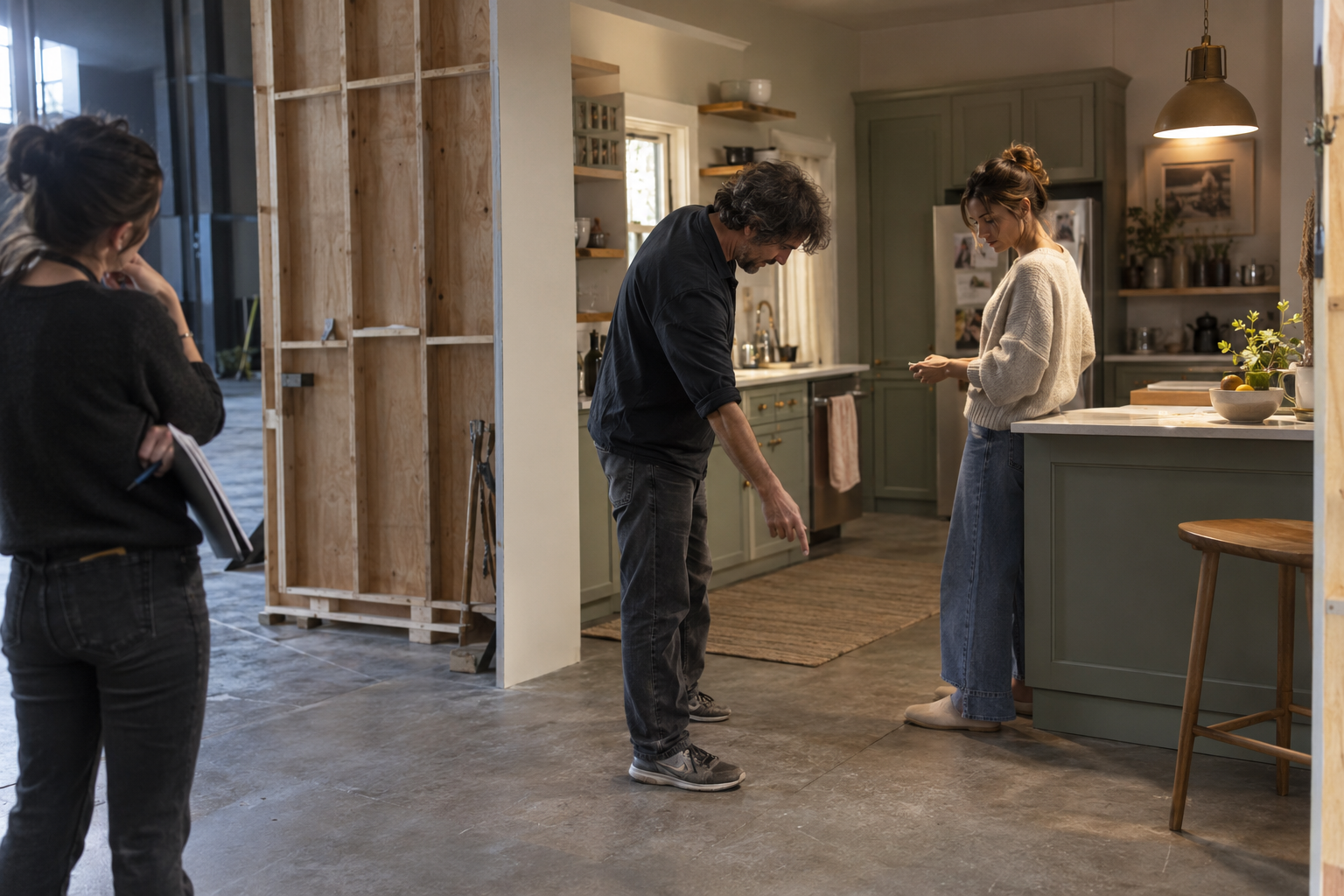
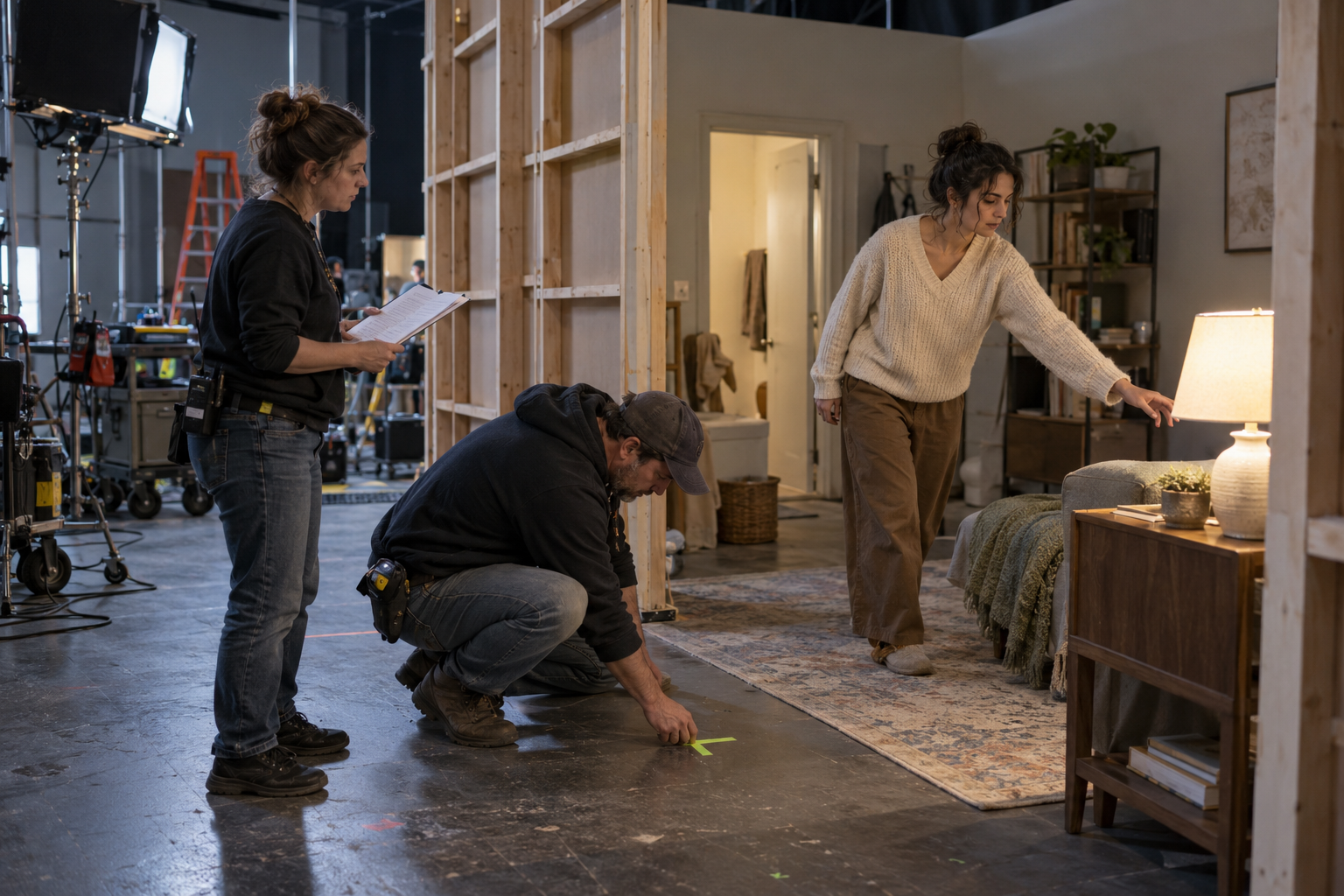
Images are AI-generated illustrations of fictional production scenarios.Related Production Articles