5 Product Commercial Shots, Ranked by What They Add to the Edit
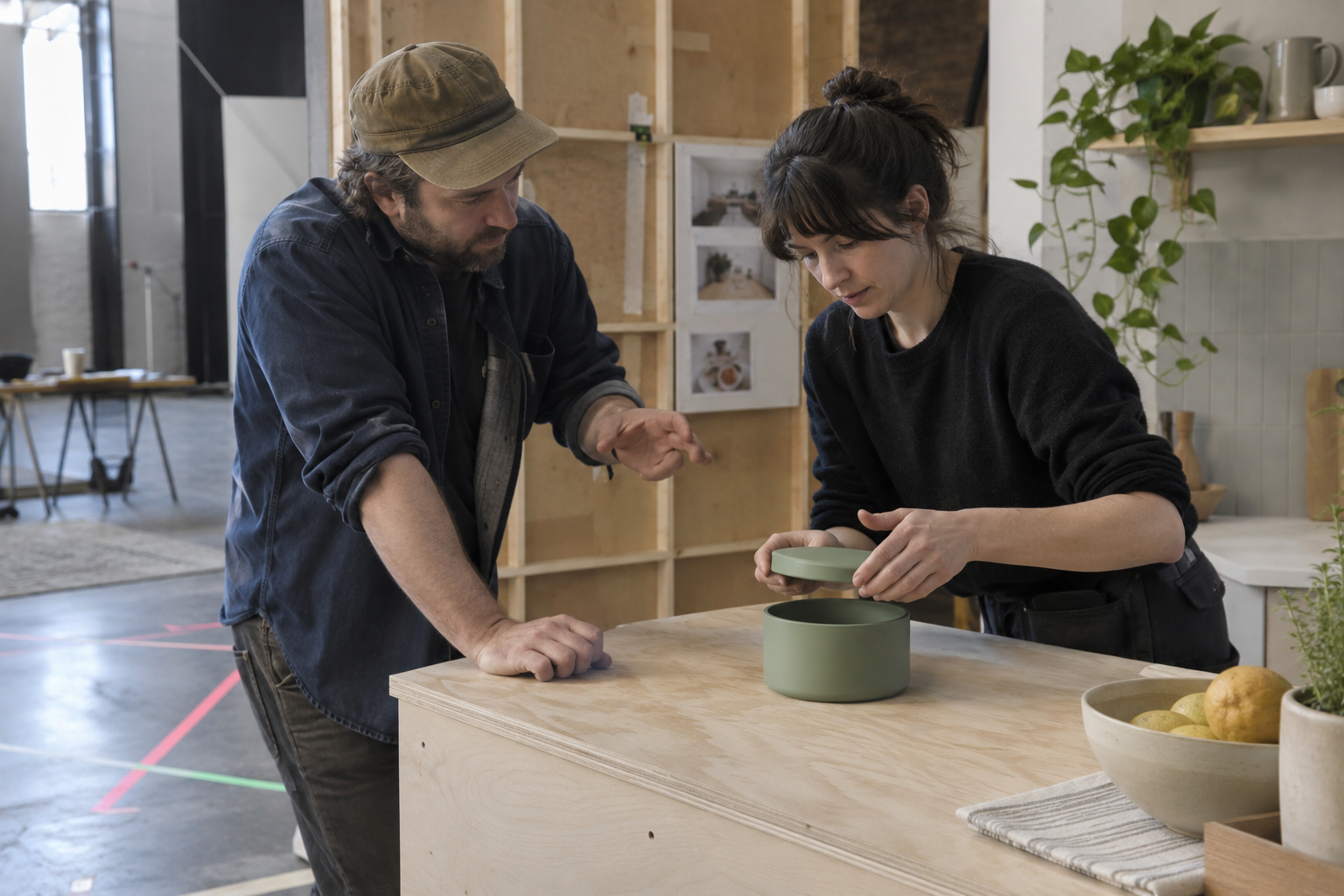
A beautiful product shot can fill a screen without answering a question. The surface looks expensive, the movement feels deliberate, and the audience still cannot tell what the object does. That gap becomes obvious in the edit, when several impressive angles turn out to provide almost the same information.
Product commercial shots earn their place through different jobs. Some explain an action. Some establish identity. Others supply a connection that makes two moments belong together. Adobe's account of B-roll describes its uses in establishing scenes and smoothing transitions. The broader editorial point is that additional footage becomes valuable when it contributes something the main action cannot.
For a short, explanation-led commercial introducing an unfamiliar physical product, this is our ranking of five shot functions. The criterion is the cost of losing each one: what understanding or editing choice disappears? It is an editorial judgment for that brief, not a universal shooting order. Consider a hypothetical reusable lunch container throughout; none of the examples describes an actual campaign or a tested product.
1. The demonstration that makes the action readable
For this brief, the most valuable shot shows the product doing its central job. With the lunch container, that could be a hand removing the lid, placing lunch inside and closing it. The important event has a beginning and an end, with enough visibility to understand the relationship between the parts.
A demonstration ranks first because its absence can leave the commercial's main explanation dependent on words. A tight view of a hand already holding the lid may look attractive, but it leaves out how the container opened. A fast cut can create energy while concealing the very action the audience needs to understand.
This does not require showing every operation in one uninterrupted take. It means the coverage contains a legible version before the edit starts compressing it. There is a difference between choosing to omit a step and discovering that nobody captured it. Nor does a staged action establish a performance claim: showing a lid close would not, by itself, prove a leakproof seal.
2. The identity shot that makes the product recognizable
The hero view earns second place by making the object unmistakable. For our container, the shape, lid and proportions should read together. A frame that could belong to any object in the category has atmosphere, but little identifying value.
Recognition can come from a quiet, held composition. Camera movement is useful when it reveals form or changes emphasis; motion alone does not make the shot more informative. Equally, a dramatic crop can be right for a teaser and wrong for the only clear view of a new product.
The demonstration tells us what happens. This shot gives the audience a stable object to attach that action to. The two may occasionally be the same take. Ranking functions rather than counting setups leaves room for that economy: one well-considered shot can do more than one job, provided neither becomes difficult to read.
3. The detail shot that explains a meaningful difference
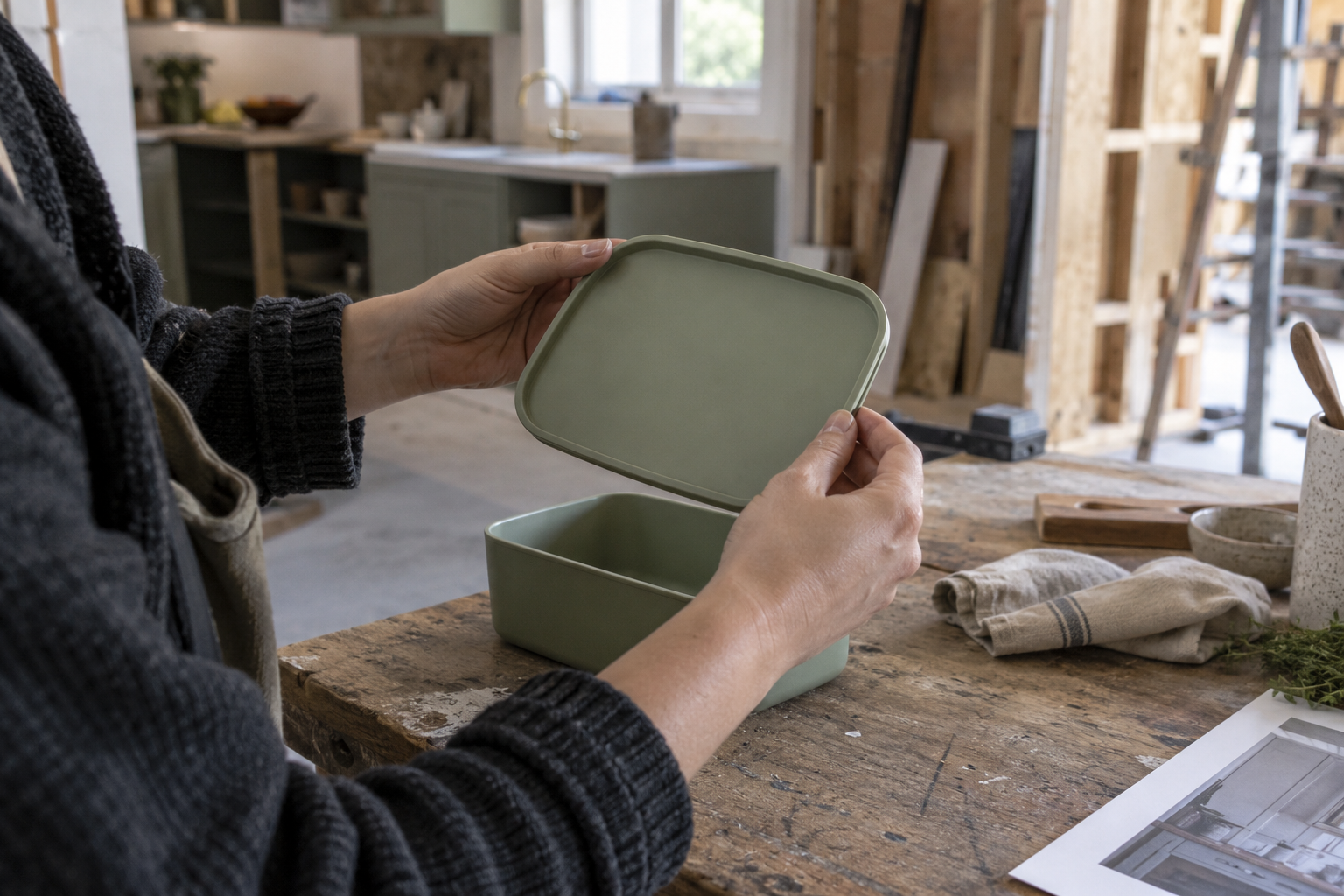
A close view deserves its time when scale reveals something specific. The container's rim, the fit of its lid or the texture of its surface could matter. A random macro glide across an unimportant corner adds another angle without adding another reason to look.
This is where the shot list benefits from a sentence rather than an adjective. “Show where the lid meets the rim” gives a detail a purpose. “Make it premium” leaves the crew with an appearance to pursue and no agreed piece of information to protect.
Lighting supports that distinction. Our examination of negative fill considers how surrounding surfaces change the definition of reflective objects. A contour or material can become clearer through that work. Still, an expressive reflection should serve the real product; it cannot substitute for a feature the object does not possess.
4. The context shot that gives the object a place in life
A container on a worktop and the same container beside a commuter's bag suggest different moments. Context lets the commercial connect an object with an occasion, a person or a routine. In the hypothetical spot, a wider view of someone packing lunch establishes why the preceding demonstration matters.
It ranks below identity and detail here because this particular brief begins with understanding an unfamiliar object. For a familiar product in a campaign built around belonging or aspiration, context could move to first place. The brief changes the hierarchy.
The strongest context also leaves the product readable. A handsome room can draw attention away from a small object. Performance, blocking and composition need a shared point of interest, even when the scene is meant to feel casual. The audience should not have to search the background for the thing being advertised.
5. The transition insert that gives the edit room to move
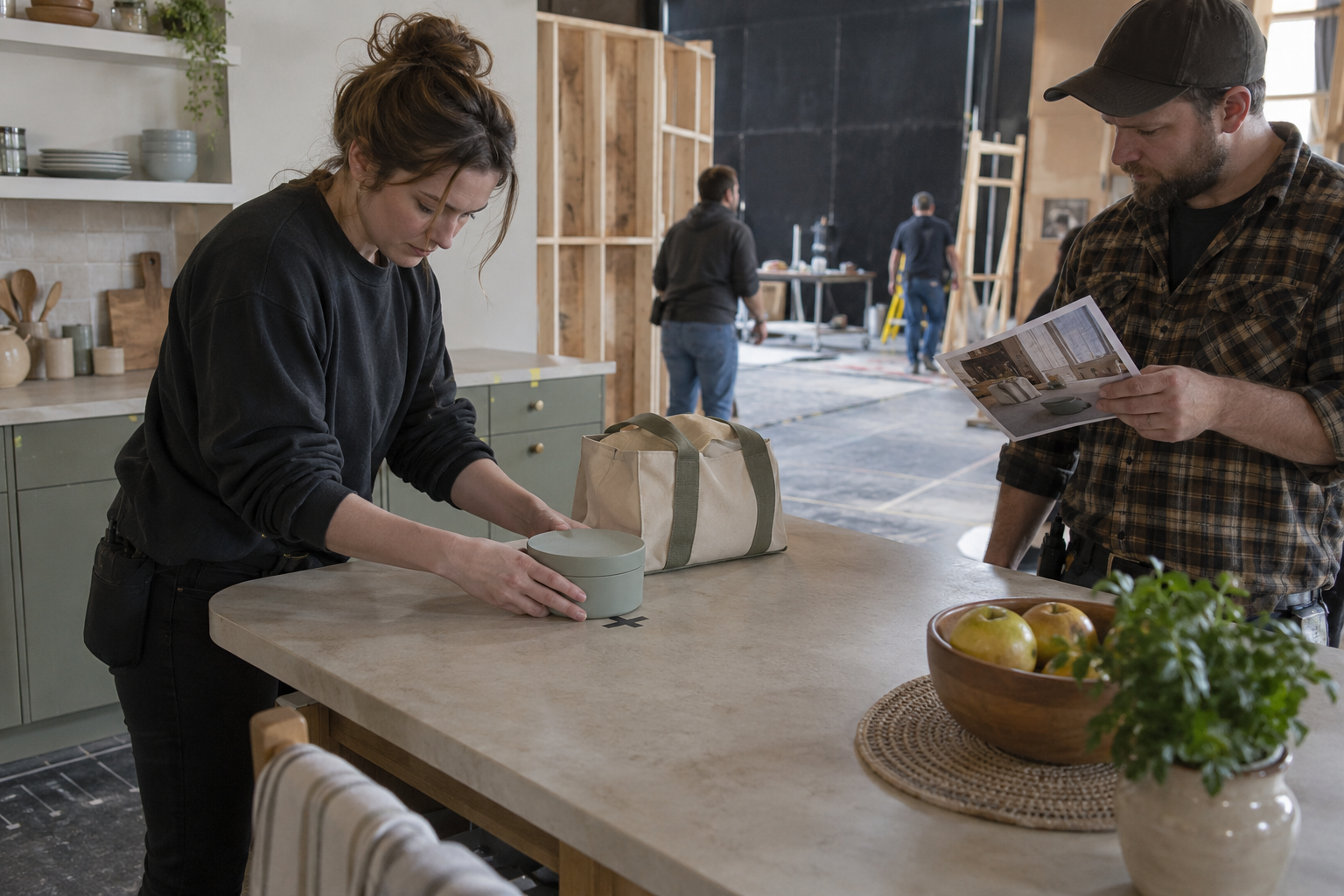
A hand setting down a lid, a bag opening or a container arriving on the counter can connect larger actions. These modest inserts rank fifth in this explanation-led brief, but they can make the difference between a coherent sequence and an awkward jump.
Their value depends on connection. If the container moves in one direction in the wider shot and arrives from the opposite side in the insert, the cut may call attention to itself. A lid that changes position between angles can produce a similar distraction. An insert becomes useful through its relationship to surrounding coverage, not simply because it is short.
The priority is therefore a deliberate bridge, with a matching action and a usable pause. Decorative footage collected after the main work may offer texture, but it cannot be assumed to repair a missing relationship.
The best coverage has different reasons to exist
This ranking puts explanation first because that is the chosen commercial's job. A launch film driven by mystery, a performance spot or a familiar brand's mood piece could justify another order. What remains useful is the deletion test: remove a shot and name what the edit loses.
That question makes the conversation about commercial production more specific. The aim is a set of images with complementary purposes, each helping the audience see something the others leave out.
Images are AI-generated illustrations of fictional production scenarios.